Business Integrity Infrastructure
Independent verification of Indigenous business ownership, governance, and community benefit. The foundational layer that protects procurement integrity and makes sovereign wealth possible.
www.ibir.com.auInvesting in programs that build Indigenous economies, intergenerational wealth, and First Nations economic sovereignty across Australia and beyond.
* NIAA: Indigenous Procurement Policy (May 2026)
The Indigenous Business Council (IBC) is a not-for-profit organisation that invests in the initiatives that build Indigenous economies and create intergenerational wealth for First Nations communities across Australia and beyond.
IBC invests in economic infrastructure — the verification systems, leadership academies, enterprise programs, and governance frameworks that allow Indigenous wealth to be created, retained, and grown across generations. This is the difference between relief and sovereignty.
It is the governing body for the Nyoongar2050 Sovereign Wealth Strategy — a globally informed, academically reviewed framework for First Nations wealth creation.
Deploying donations and grants into integrity infrastructure, leadership academies, and enterprise programs that build lasting Indigenous economies.
Resourcing the globally informed, academically reviewed framework for First Nations intergenerational wealth creation across Australia.
Funding community programs that connect Indigenous enterprise to land, food sovereignty, cultural practice, and community wellbeing.
“For too long, economic participation has been presented as an act of charity toward First Nations peoples. It is not. It is an act of justice — and it begins with integrity in every transaction, every partnership, and every boardroom.”
Every dollar that flows through the IBC is directed toward programs that build lasting Indigenous economic infrastructure. Not short-term spending. Not the appearance of inclusion. Real, structural, intergenerational wealth creation.
Independent verification of Indigenous business ownership, governance, and community benefit. The foundational layer that protects procurement integrity and makes sovereign wealth possible.
www.ibir.com.auDeveloping the next generation of First Nations business leaders, governance professionals, and community wealth stewards equipped to negotiate on Country and build lasting enterprises.
www.ifla.auFunding Gather Foundation programs and community-led enterprise initiatives that connect Indigenous economic activity to cultural land, food sovereignty, and community benefit.
www.gatherfoundation.org.auSupporting the development of IBOS — the Indigenous Business Operating Standard — through Standards Australia and ISO accreditation pathways. First Nations communities must hold the policy leadership.
www.ibir.com.auDeveloping the governance frameworks and investment structures that allow ILUA settlements and enterprise revenue to build intergenerational wealth — not be spent down in a generation.
www.nyoongar2050.auBuilding partnerships with Maori, Canadian First Nations, and global procurement bodies to position Australian Indigenous business governance as world-leading and open international pathways.
Be part of the change. The Pay It Forward program sees First Nations businesses fund IBIR verification costs for other First Nations businesses that cannot yet afford them — removing cost as a barrier to integrity, and growing the movement from within. Every donor is publicly acknowledged on IBIR.
Corporate Australia has a meaningful role to play in building First Nations economic sovereignty. IBC corporate sponsorships fund the integrity infrastructure, leadership programs, and enterprise initiatives that deliver measurable, independently verified ESG and Reconciliation Action Plan outcomes — at a scale that tick-boxes never can.
The IBC's philosophy is rooted in the understanding that First Nations peoples were the first entrepreneurs — managing sophisticated trade routes, kinship economies, and governance systems long before colonisation. This is not history. It is the foundation of everything we build.
First Nations communities built and maintained vast trade networks — not purely economic, but cultural, spiritual, and relational. Goods, knowledge, and relationships flowed across Country, reinforcing shared responsibility. The IBC carries this principle forward: economic exchange must serve community, not extract from it.
Truth, respect, and trust were not compliance requirements — they were the architecture of community life. Accountability was cultural before it was legal. The IBC applies this understanding directly: integrity is not a layer added to economic activity. It is its foundation. Without it, wealth cannot be built or held.
First Nations governance has always held future generations as the primary stakeholder. Decisions were made not for today alone, but for the strength of those yet to come. The IBC invests with the same lens — prioritising intergenerational wealth creation over short-term returns, and legacy over transaction.
“Our work is our ceremony. Our ceremony is our work. Business that honours Country, community, and future generations is not a modern innovation — it is the oldest model of enterprise on this continent.”
The IBC does not replace the programs it governs and funds — each operates independently. But together, they form a coherent architecture for Indigenous economic sovereignty.
The globally informed, academically reviewed Sovereign Wealth Strategy for First Nations economic self-determination. The IBC is its governing body and strategic steward.
www.nyoongar2050.au ↗The Indigenous Business Integrity Register — independent verification of Indigenous business ownership, governance, and community benefit. Operates independently under IBC's strategic umbrella.
ibir.com.au ↗Community programs connecting Indigenous enterprise to land, food sovereignty, cultural practice, and community wellbeing.
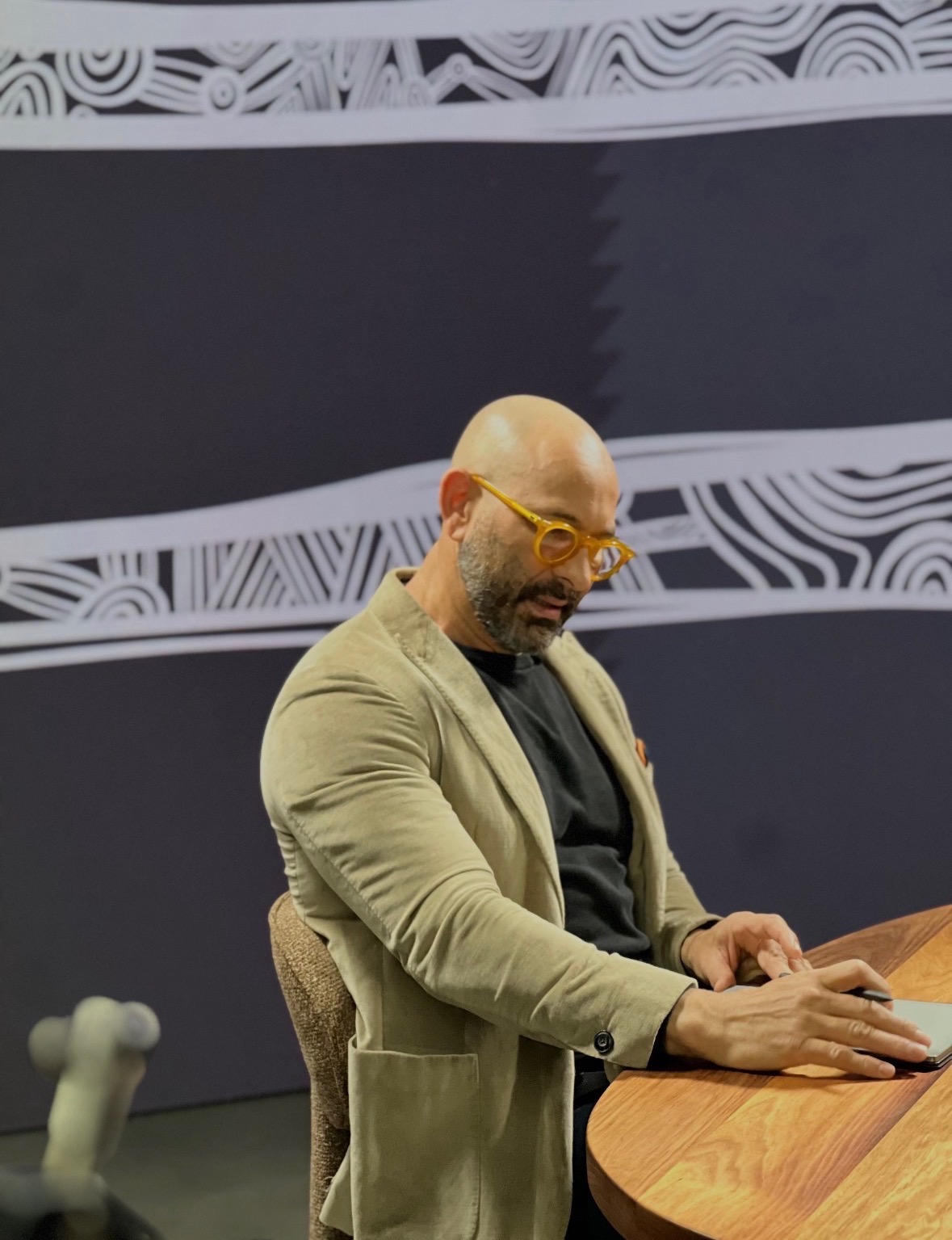
gatherfoundation.org.au ↗A global conversation about the future of Indigenous economies. Hosted by Gerry Matera. New episodes weekly on YouTube and Noongar Radio.

How did the world's oldest living cultures become excluded from modern wealth systems?
Gatherings that carry the vision forward — capturing the conversations shaping the future of Nyoongar boodjar.
A gathering of community. A vision for the future. Marnda brought Nyoongar people together to hear the Nyoongar2050 Vision — a roadmap for cultural strength, economic self-determination and intergenerational prosperity.
Thank you all involved for delivering this very important and informative pathway for our Noongar economics and wealth, so highly appreciated and much respect to all involved. Thank You.
The IBC is governed by First Nations leaders, respected elders, business professionals, and community advocates — each committed to rigorous stewardship of the IBC's philanthropic mandate and the Nyoongar2050 strategy.

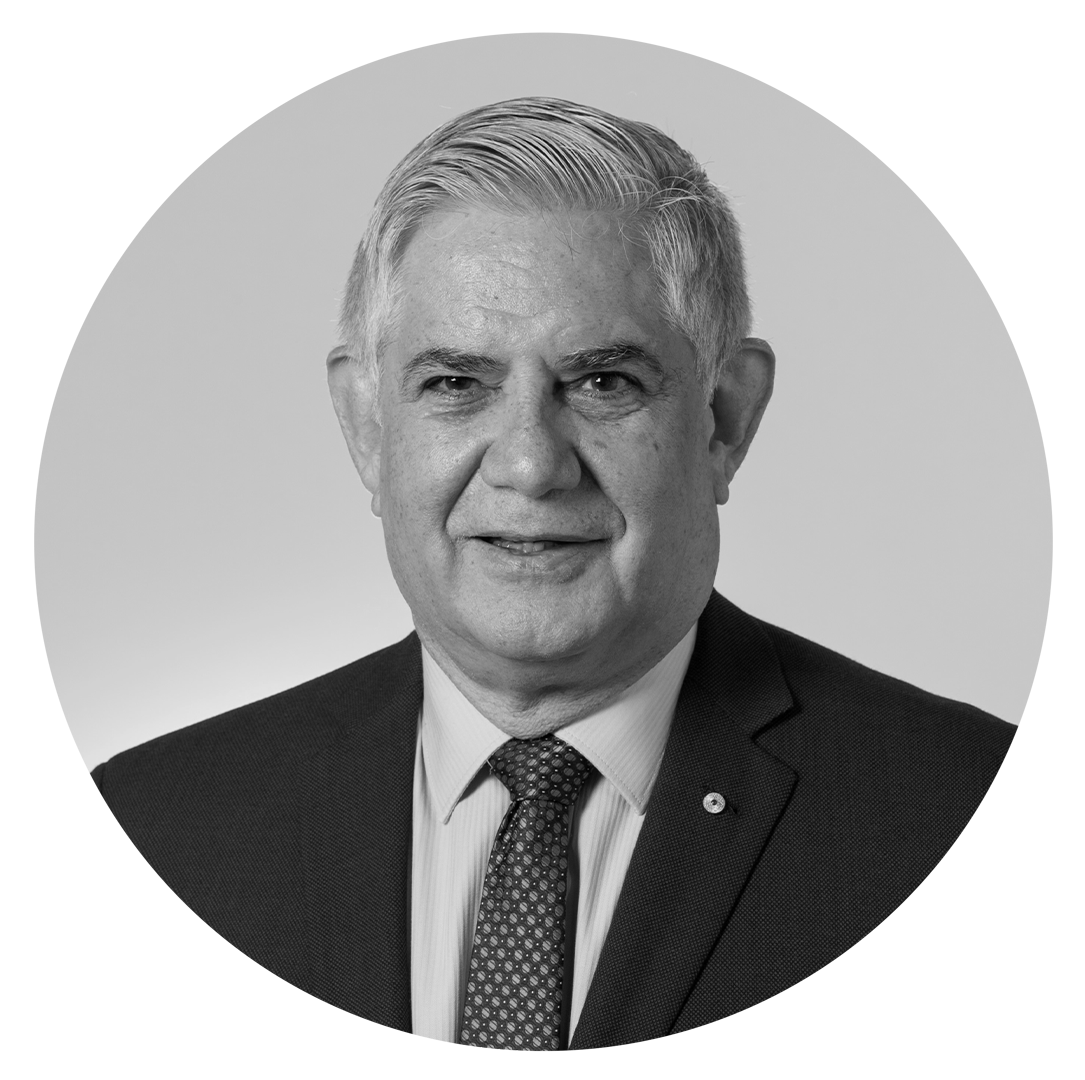
The Hon. Ken Wyatt AM is a proud Nyoongar, Yamatji and Wongi man, making history as the first Aboriginal Australian elected to the House of Representatives, and later as the first Indigenous Australian appointed to the Federal Cabinet, serving as Minister for Indigenous Australians. Across decades of public service, he has been a consistent advocate for integrity in governance, equitable systems, and outcomes that deliver meaningful benefit to Aboriginal and Torres Strait Islander peoples. His work has focused on strengthening institutional accountability, improving health and education systems, and advancing national conversations on recognition and reform.

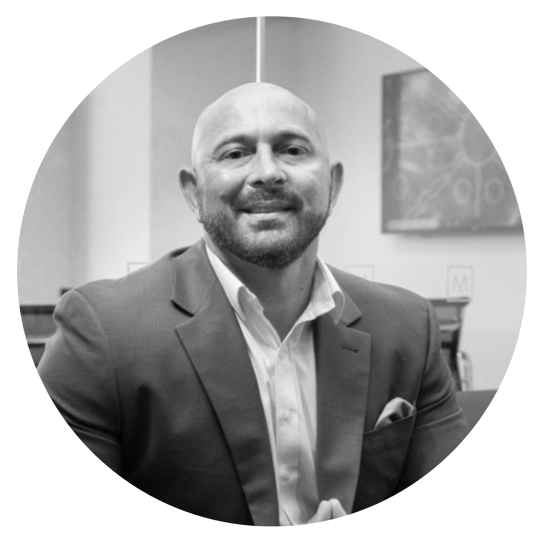
Nyoongar man and Gnaala Karla Booja Traditional Landowner, Gerry is the founder of Weitj Investments and a trailblazer in Indigenous business advocacy. He has built a series of successful businesses, attracting multiple industry awards and has been instrumental in leading a sector shift to one that adheres to high standards of integrity. Gerry has worked with academics and Elders to develop an international Business Standard of Operating for Indigenous business and a Sovereign Wealth Strategy for intergenerational sovereignty.

Emeritus Professor Dr Len Collard is a highly respected Whadjuk Nyungar Elder and Traditional Owner of the Perth Metropolitan area and surrounding lands, rivers, swamps, ocean and culture. As Director of Moodjar, he has focused his life's work on explaining how and why Aboriginal place names continue to provide collective insights into our shared land. After studying literature and communications, Len spent his career recording and reclaiming Aboriginal language and culture. Len conducted several Nyungar language preservation studies as Australian Research Council Chief Investigator at the School of Indigenous Studies at the University of Western Australia, with his primary project, to uncover Nyungar placenames.

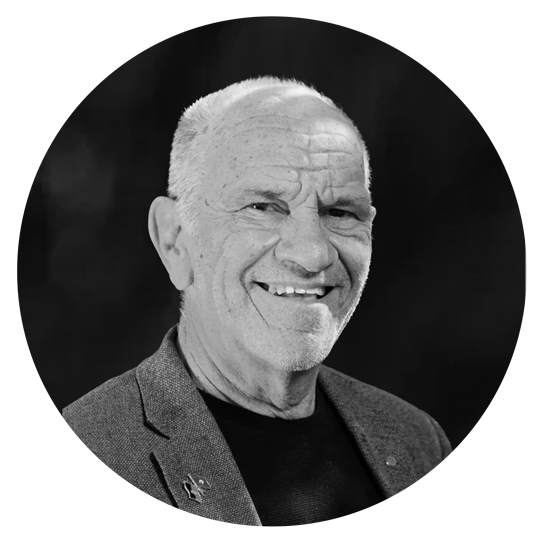
Nyoongar Elder, Native Medicine Practitioner and published author in bushfood. A respected cultural authority whose knowledge of Country, native plants, and First Nations medicine traditions bridges ancient wisdom and contemporary application in Indigenous enterprise and community wellbeing.

Rohan Collard is a Wadjuk Ballardong man and Chief Executive Officer of Dooga Waalitj Healing, where he leads Aboriginal consultancy, tourism, and healing initiatives grounded in culture, accountability, and community impact. With more than 20 years' experience across research, government, the community sector, and Aboriginal Community Controlled Organisations, he is recognised for his leadership in cultural governance, integrity, and systems reform. Rohan is also a Principal Research Fellow with the Ngangk Yira Research Institute at Murdoch University and has served on boards including Reconciliation WA, the White Ribbon Australia National Advisory Board, and the Noongar Safety and Wellbeing Council.

Michael Taylor is a proud Nyoongar, Yued and Ballardong Man. He is the founder and Director of Taylormade Glass, a First Nations Glass & Glazing Business. He has built a successful reputation working with some of W.A's leading Real Estate Agencies and builders. Driven by a passion for his trade and the continued growth of his business, Michael is committed to creating opportunities for collaboration with like-minded Aboriginal business owners. His vision extends beyond business success—he is dedicated to building pathways that support the Aboriginal economy, strengthen First Nations businesses, and inspire the next generation through mentorship, partnerships and meaningful participation.

Professor Mayowa Babalola serves as Independent Ethics Advisor to IBIR, providing objective and impartial oversight of ethical standards within the Australian Indigenous business and procurement ecosystem against national and international ethical benchmarks. This independent advisory function reflects IBIR's commitment to ensuring that ethical guidance is both demonstrably independent and grounded in rigorous, evidence-based analysis. Professor Babalola holds the Stan Perron Chair in Business Ethics at the University of Western Australia. He earned a PhD in Psychology from KU Leuven (Belgium) and brings more than 15 years of international research experience in leadership, behavioural ethics, and the intersection of organisational culture and artificial intelligence. His work is widely published in leading academic journals, including the Journal of Business Ethics, Journal of Applied Psychology, and Harvard Business Review. While engaged by IBIR in an advisory capacity, Mayowa operates independently of its management and governance structures. He is passionate about supporting informed dialogue on ethical practices in Indigenous procurement and business ethics more broadly.